
What Is Antifreeze and Why Does It Matter?
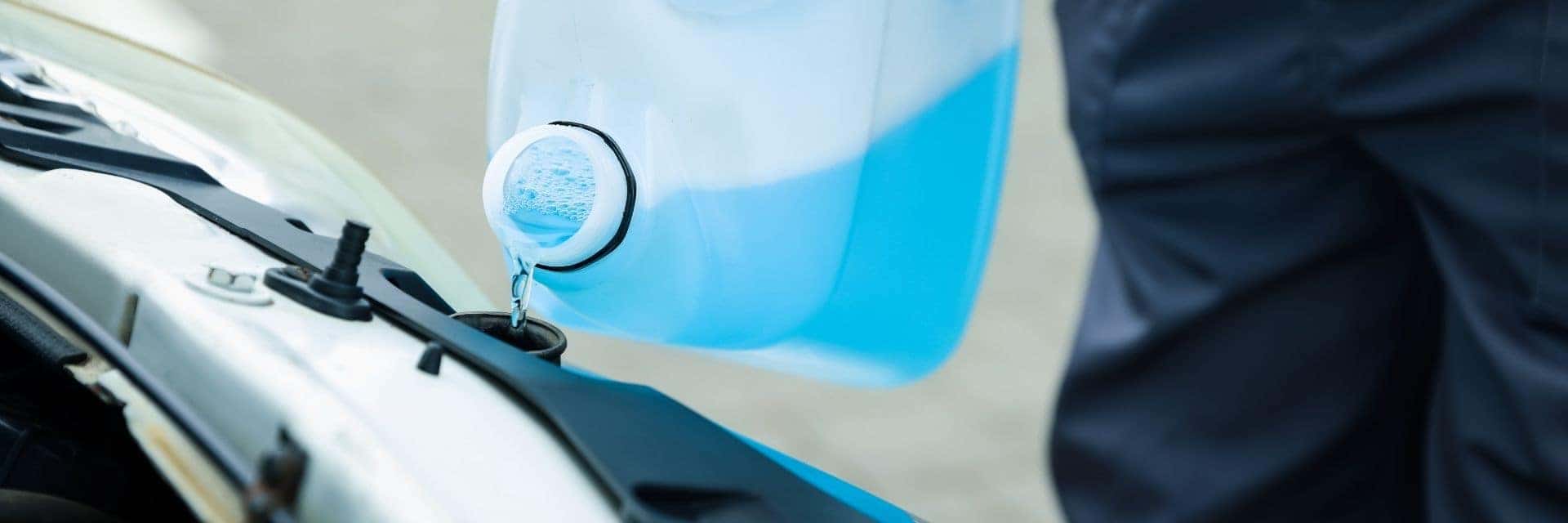
Antifreeze plays a crucial role in your vehicle’s overall health. It regulates engine temperatures, prevents freezing in winter and overheating in summer, and even protects your engine from corrosion. At Tom Kadlec Kia, we’re here to help you understand how antifreeze works and when to check or replace it to avoid costly engine repairs.
How Antifreeze Works in Your Vehicle
Antifreeze is a heat-regulating liquid that keeps your car’s engine operating at optimal temperatures all year round. In the summer, it prevents overheating by raising the boiling point of engine fluids. In winter, it keeps engine components from freezing by lowering the freezing point — often to -30°F or lower.
Aside from temperature control, antifreeze:
-
Lubricates the water pump and other engine parts
-
Reduces wear and tear caused by friction
-
Prevents corrosion inside the radiator and engine block
What Is Antifreeze Made Of?
Most antifreeze formulas contain ethylene glycol or propylene glycol, mixed with corrosion-preventing additives like silicates, nitrates, or borates. Most vehicles require a 50/50 mixture of antifreeze and distilled water, but many products come pre-mixed.
Important: Antifreeze is toxic. Always keep it sealed and out of reach of children and pets. Clean up spills immediately.
Where to Add Antifreeze in Your Car
In most modern vehicles, antifreeze is added to the coolant reservoir — a translucent plastic tank under the hood with “MIN” and “MAX” lines. For older vehicles, you may add it directly into the radiator once the engine is cool.
Always refer to your owner’s manual or ask our certified technicians at Tom Kadlec Kia’s Service Center if you’re unsure.
What Color Is Antifreeze?
Antifreeze can be green, pink, blue, orange, yellow, or red depending on the brand and formulation. However, it should always be clear of debris. If it looks rust-colored, murky, or has particles floating in it, it’s time for a flush.
Antifreeze vs Coolant: What’s the Difference?
While often used interchangeably, there’s a technical distinction:
-
Antifreeze = the pure chemical (ethylene or propylene glycol)
-
Coolant = antifreeze + water (usually a 50/50 mix)
When you’re topping off or replacing fluid, you’re almost always using coolant — but both terms are accepted in everyday use.
How to Know If You Need More Antifreeze
Check your coolant reservoir when the engine is cool. If the fluid is below the “MIN” line, it’s time to add more. Other signs of low or bad antifreeze include:
-
Dashboard warning lights for engine temperature
-
Coolant leaks under the car
-
Overheating engine
-
Sludgy or discolored coolant
-
Cracked radiator hoses
If you notice any of these signs, schedule a check-up at our Kia service department in Rochester, MN.
How to Add Antifreeze (Step-by-Step)
If your coolant level is low, here’s how to safely top it off:
-
Park your car on a level surface and allow the engine to cool completely.
-
Check the antifreeze label to see if it’s pre-mixed. If not, dilute with distilled water in a 1:1 ratio.
-
Open the coolant reservoir cap and slowly pour in the antifreeze until it reaches the “MAX” fill line.
-
Close the cap tightly and check for leaks under the car after driving.
If you’re not comfortable doing this yourself, our service professionals are happy to help.
Trust the Experts at Tom Kadlec Kia
Keeping your cooling system in top shape is vital to extending the life of your vehicle. Whether you need a coolant flush, a leak inspection, or you’re unsure what type of antifreeze your Kia needs, our ASE-certified technicians are here to help.
For expert service and maintenance, trust the team at Tom Kadlec Kia in Rochester, MN. You can reach us at (507) 281-2222 to speak with our staff or schedule your next service appointment online for convenience.
FAQs About Antifreeze
How often should I change my antifreeze?
Most vehicles need a coolant flush every 30,000 to 60,000 miles, but some may go up to 150,000 miles depending on the coolant type. Check your owner’s manual for specifics.
Can I mix different antifreeze colors?
No. Mixing antifreeze types can lead to chemical reactions that reduce effectiveness and damage your engine. Stick to one type, and flush the system before switching.
Why is my car losing antifreeze but no leak is visible?
This could indicate an internal leak, such as a blown head gasket or a cracked engine block. Have your vehicle inspected immediately.
Is antifreeze only for cold weather?
No. Antifreeze protects in both hot and cold temperatures — it’s essential year-round.
Can I drive without antifreeze?
No. Running your engine without coolant will lead to overheating and severe damage, possibly even a seized engine.

