
What are the Symptoms of Bad Spark Plugs?

Spark plugs are vital to your vehicle’s engine, helping ignite the fuel and air that powers it. But over time, they wear out, leading to performance issues. Recognizing the signs of bad spark plugs early is essential for maintaining engine health, saving you from potential breakdowns and costly repairs.
Function of Spark Plugs in Your Engine
Spark plugs have a simple but crucial job: creating the spark to ignite the air-fuel mixture in your engine’s combustion chamber. This combustion generates the energy required to power your vehicle. In gasoline-powered engines, spark plugs are indispensable in ensuring smooth operation. However, their role varies with the rise of hybrid and electric vehicles (EVs). While traditional hybrids may still use spark plugs for the internal combustion engine component, EVs rely solely on batteries and electric motors, eliminating the need for spark plugs.
How Do Spark Plugs Impact Vehicle Operation?
When spark plugs work properly, they help your engine run efficiently, ensuring consistent combustion. However, faulty or worn-out spark plugs can lead to inefficient combustion, negatively impacting your engine’s overall performance, including reduced fuel efficiency and lack of acceleration.
Symptoms of Failing Spark Plugs
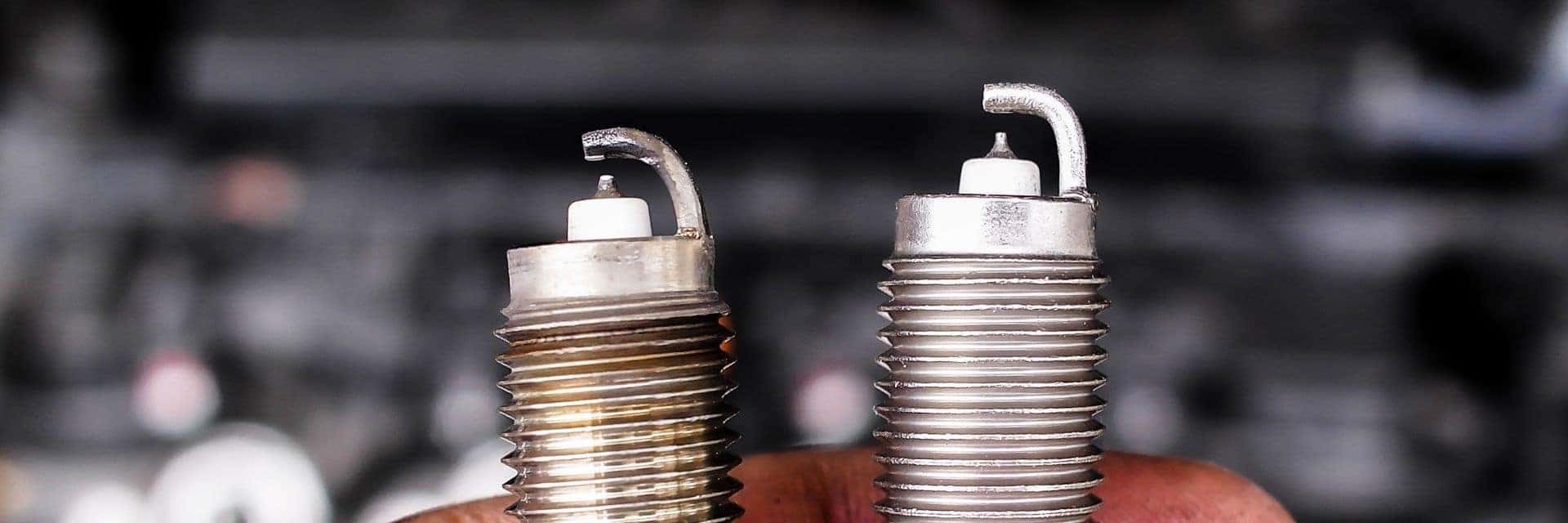
Failing spark plugs are easy to spot with the below symptoms.
Difficulty Starting the Engine
One of the first signs of fouled spark plugs that may need replacement is difficulty starting the engine. Damaged or worn plugs can struggle to ignite the fuel-air mixture, causing engine misfires or difficulty starting. If you notice your car failing to start in Rochester’s cold winter mornings, it might be time to check the plugs.
Rough Idling and Unusual Sounds
Another sign of bad spark plugs is a rough idle. If your engine makes strange noises, such as rattling or knocking, when your car is idling, it could be because the spark plugs aren’t firing correctly. This leads to vibrations throughout the vehicle and damages sensitive components in the long run.
Decreased Fuel Efficiency
When your spark plugs aren’t functioning properly, your engine must work harder to maintain power, resulting in more fuel consumption. If you’ve noticed a drop in miles per gallon, checking your spark plugs is a good first step.
Poor Acceleration and Loss of Power
Bad spark plugs might be the culprit if your car feels sluggish when you press the accelerator. Run-down spark plugs fail to ignite the fuel mixture efficiently, causing delayed or reduced acceleration. This is particularly noticeable when trying to merge onto highways or overtake another vehicle.
Engine Misfires
An engine misfire occurs if a spark plug isn’t firing correctly. This disrupts the engine’s combustion process and leads to rough engine performance, with noticeable stuttering during acceleration and uneven power delivery while driving.
Unexplained Engine Knocking
If your engine makes knocking sounds, it may indicate that your spark plugs are misfiring. This knocking sound results from improper detonation of the air-fuel mixture, which occurs when the plugs malfunction.
Identifying Physical Signs of Bad Spark Plugs

In addition to performance-related symptoms, physical inspection of your spark plugs can provide valuable insight. Here’s what to look for.
- Carbon Buildup on Spark Plugs: This black, sooty deposit on the plug’s tip indicates incomplete combustion. Carbon buildup can hinder the spark plug’s ability to ignite the air-fuel mixture, leading to reduced performance.
- Electrode Wear and Tear: The dome-shaped central electrode at the base of the sparkplug pairs with a J-shaped ground electrode. Over time, constant ignition in the combustion chamber wears out these electrodes, resulting in poor combustion and reduced engine performance.
- Oil Fouling: It results in deposits on the spark plug, rendering it ineffective. This issue arises from internal engine oil leaks. Oil-fouled spark plugs can lead to various problems, including misfires and decreased fuel economy.
- Cracked Insulators: The purpose of the ceramic insulator around the spark plug is to withstand high temperatures. However, cracks in this insulator can cause leakage, reducing the spark plug’s effectiveness. A cracked insulator can also lead to engine misfires or difficulty starting.
Consequences of Ignoring Bad Spark Plugs Symptoms
Ignoring the symptoms of a bad spark plug in a car can lead to decreased engine performance and more severe problems later on, resulting in costly repairs.
Severely Impacts Engine Health and Its Longevity
Bad spark plugs can cause incomplete combustion, which puts additional strain on your engine. Over time, this can lead to increased wear and tear, reducing the overall life span of your engine. Regular maintenance, including spark plug checks, can help prevent this.
Efficiency Losses and Increased Emissions
Bad spark plugs cause inefficient combustion, which leads to increased emissions. A malfunctioning spark plug causes your engine to burn more fuel, producing higher exhaust emissions. This harms the environment and can cause your vehicle to fail emissions tests.
When To Replace Your Spark Plugs
Spark plugs typically have a life span of around 80,000 miles, depending on their type and quality. Your driving habits also play a crucial role in spark plug wear. If your car shows any of the faulty spark plug symptoms mentioned earlier, such as difficulty starting, rough idling, decreased fuel efficiency, or misfires, it’s a sign you need to replace your spark plugs.
Can You Drive With Damaged Spark Plugs?
Driving with bad spark plugs for an extended period can cause long-term engine damage. While you may be able to drive short distances, the risk of engine misfires and other issues increases the longer you delay spark plug replacement.
Maintenance Strategies for Prolonged Spark Plug Health
To ensure your spark plugs last long, regular maintenance and quality spark plugs are key.
- Importance of Choosing Quality Spark Plugs: Not all spark plugs are created equal. Choosing high-quality spark plugs ensures better engine performance and longevity. When replacing your plugs, opt for trusted brands that are compatible with your vehicle.
- Regular Vehicle Maintenance: Your car’s maintenance schedule ensures that your spark plugs are inspected and replaced when needed. Adhering to recommended service intervals can help you identify potential spark plug issues and take corrective action.
Ready for a Spark Plug Inspection?
If you’re experiencing any of these symptoms or it’s been a while since your last spark plug check, contact our Tom Kadlec Kia dealership and schedule an appointment at our Rochester service center. Our experts will help ensure your engine runs smoothly and efficiently, keeping you safe on the road.
Spark Plug Frequently Asked Questions
What do spark plugs do in a vehicle?
Spark plugs ignite the air-fuel mixture in your engine’s combustion chamber, powering the vehicle. Without them, your engine cannot run.
What are the symptoms of bad spark plugs?
Common signs include difficulty starting the engine, rough idling, decreased fuel efficiency, poor acceleration, engine misfires, and knocking sounds.
How often should I replace my spark plugs?
Most spark plugs last around 80,000 miles, but this varies depending on plug type and driving conditions. Check your owner’s manual for your model’s recommended interval.
Can driving with bad spark plugs damage my engine?
Yes. Driving with worn spark plugs can lead to engine misfires, reduced performance, higher emissions, and long-term internal engine damage.
What can I do to extend spark plug life?
Follow your maintenance schedule, use high‑quality spark plugs, and have regular inspections at a trusted service center like Tom Kadlec Kia.

